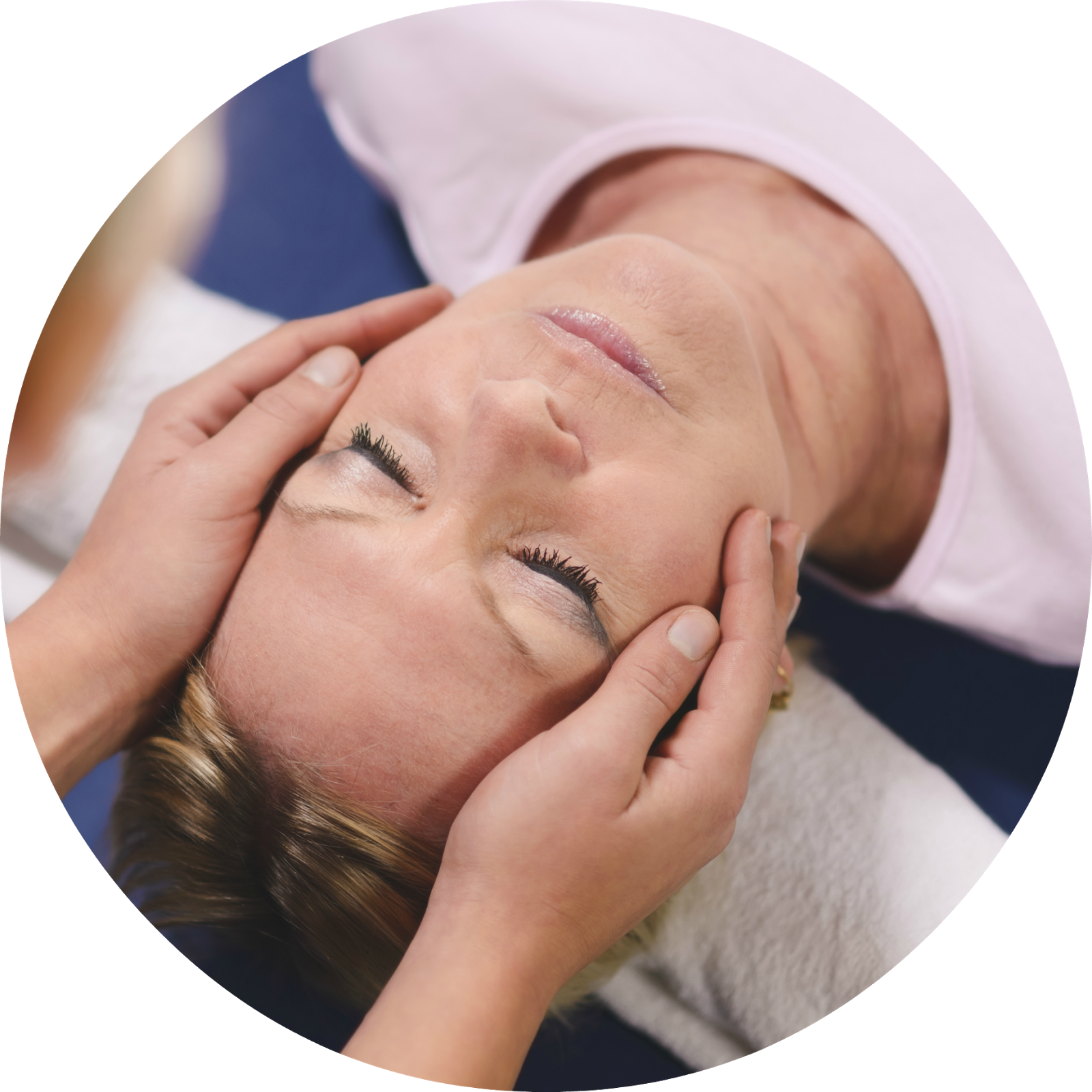
We are so excited to be offering our first ever Reiki training at Pumps! Sign up now, as there is limited space available!!
To register on-line: https://squareup.com/market/mollycoeling
Showing posts with label self-care. Show all posts
Tuesday, February 24, 2015
Thursday, February 19, 2015
Energy Self-Care Workshop! Coming to Pumps March 14th!
Did you miss this workshop the first time around? Well, you're in luck!
To register on-line: https://squareup.com/market/mollycoeling
Tuesday, February 3, 2015
What is Reiki?
by guest blogger Molly Coeling
You may have heard the word "Reiki" before, but chances are that even if you've received a Reiki session before, you'd have trouble answering the question "What is Reiki?".
So then... what is Reiki?
- Reiki is an holistic healing practice that supports overall balance, reduces stress and supports the immune system.
- Treatment consistes of placing the practitioner's hands lightly on or near the recipient's body to facilitate energy transfer.
- Reiki has measurable electrical & magnetic qualities that have been shown to fall within the frequency range known to stimulate human tissue repair.
- Reiki is not a substitute for medical care, nor is it a religion.
What can Reiki help with?
- Because it calms the autonomic nervous system (i.e. counteracts the "fight or flight" state), as well as boosts immune function, Reiki helps with a variety of common complaints, including but not limited to:
What does Reiki feel like?
- Commonly reported experiences include:
How can I learn more?
- Check out this Saturday's Energy Self-Care interactive workshop (there are still a couple of spots left!), where you will learn the basics of the human energy field and will walk away with some great new tools and techniques to implement in your daily life! Plus you will receive a special bonus -- a mini Reiki session!
- Private Reiki sessions are now offered at Pumps (ask Ian!).
- Stay tuned for future Reiki trainings; in an initial one-day training you will learn to tap into your own natural healing abilities and become a powerful channel for Reiki energy.
by guest blogger Molly Coeling
You may have heard the word "Reiki" before, but chances are that even if you've received a Reiki session before, you'd have trouble answering the question "What is Reiki?".So then... what is Reiki?
- Reiki is an holistic healing practice that supports overall balance, reduces stress and supports the immune system.
- Treatment consistes of placing the practitioner's hands lightly on or near the recipient's body to facilitate energy transfer.
- Reiki has measurable electrical & magnetic qualities that have been shown to fall within the frequency range known to stimulate human tissue repair.
- Reiki is not a substitute for medical care, nor is it a religion.
What can Reiki help with?
- Because it calms the autonomic nervous system (i.e. counteracts the "fight or flight" state), as well as boosts immune function, Reiki helps with a variety of common complaints, including but not limited to:
- pain
- stress
- depression
- anxiety
- insomnia
- PTSD
- fibromyalgia
- side effects of chemo
- As of 2008, over 800 hospitals in the U.S. offered Reiki, most often for pre- and post-op care, as well as during chemotherapy infusions.
![]() |
| Reiki demos at a recent workshop in Chicago |
- Commonly reported experiences include:
- meditative or dreamlike state, i.e. deep relaxation
- sensations such as heat, buzzing, tingling or lightness
- pain relief
- a state of "focused calm" (who doesn't want that?!?)
How can I learn more?
- Check out this Saturday's Energy Self-Care interactive workshop (there are still a couple of spots left!), where you will learn the basics of the human energy field and will walk away with some great new tools and techniques to implement in your daily life! Plus you will receive a special bonus -- a mini Reiki session!
- Private Reiki sessions are now offered at Pumps (ask Ian!).
- Stay tuned for future Reiki trainings; in an initial one-day training you will learn to tap into your own natural healing abilities and become a powerful channel for Reiki energy.
------------------------------------------------------------------------------------------------------------------------
About the Author: Molly Coeling, LMT, RMT, MPH is a Reiki* practitioner and teacher, as well as a clinical massage therapist. Her private practice is in the Lincoln Square neighborhood of Chicago. Check out her website here.
*Reiki is an energetically based holistic healing practice that supports overall balance, reduces stress and supports the immune system. Reiki can help to relieve a variety of emotional, psychological and physical ailments including anxiety, depression, PTSD, insomnia and pain.
Monday, January 26, 2015
Chronic
stress and your health
Chronic stress can lead to weight gain, poor sleep and a feeling of burnout. In less than two weeks a new and exciting workshop will be coming to Pumps! In this workshop you'll learn all about how to take care of your own energy field and protect yourself from "energy vampires." You'll also learn about Reiki and will get the chance to receive a free Reiki session. You will walk away from this workshop with new knowledge and concrete tools that will help you to better manage everyday stressors that can cause you to get trapped in a cycle of chronic stress.
Want to learn more? Check out this workshop coming to Pumps on Saturday, February 7th!
by guest blogger Molly Coeling
Chronic stress can lead to weight gain, poor sleep and a feeling of burnout. In less than two weeks a new and exciting workshop will be coming to Pumps! In this workshop you'll learn all about how to take care of your own energy field and protect yourself from "energy vampires." You'll also learn about Reiki and will get the chance to receive a free Reiki session. You will walk away from this workshop with new knowledge and concrete tools that will help you to better manage everyday stressors that can cause you to get trapped in a cycle of chronic stress.
So how exactly does stress relate to our physical health? Our brains are programmed to prioritize survival over and above everything else, providing us with an incredible capacity to protect ourselves. When our brains sense mortal danger, or even severe emotional or physical pain that could be too much for us to handle, they send a signal to our bodies to go into defense mode. Basically, they do what they need to do to keep us alive.
As I was driving home the other night, a car came speeding out of an alleyway as I was passing by. Had I not honked, cueing the rapidly approaching driver to brake suddenly, the driver’s side of my car would have likely been jackknifed. My body reacted to this life threatening experience in a very logical way, in exactly the same way that our bodies react to virtually all scary experiences. As a sudden shot of adrenaline ran through my bloodstream, my heart rate increased, my muscles tensed, the hairs on my neck and arms stood on end, my pupils undoubtedly dilated, and my breathing sped up. Within less than a second, I went into what is commonly known as “fight or flight” mode, a state of high alert during which physiological processes that are not necessary for immediate survival, such as digestion, are temporarily shut down.
My brain hit the “on” switch on my sympathetic nervous system, and I was in survival mode.
Within less than another second, I was back into “rest and digest” mode; as the adrenaline stopped pumping, my parasympathetic nervous system was back in the driver’s seat, slowing down my heart rate, allowing my muscles to relax, and slowing my breathing to its normal rhythm. Once my brain confirmed that I was safe, I felt a tingling sensation of relief from head to toe and was able to reflect on what had just happened. But in the second or so during which my safety was in jeopardy, I didn’t feel anything but a sense of intense vigilance, a sort of hyper-focus.
The autonomic nervous system is made up of the sympathetic (“fight of flight”) and parasympathetic (“rest and digest”) sub-systems. Both can be activated simultaneously, but one of them is generally in the driver’s seat. Unlike the consciously controlled central nervous system, the autonomic nervous system reacts to internal and external stimuli without our conscious input. This sort of “auto-pilot” setup works quite well for the most part, allowing our brains to focus on tasks besides the control of internal organs or instinctive responses to danger.
The trouble comes in when trauma is so intense, overwhelming, or sustained that our “fight or flight” response gets stuck in the “on” position, overriding our body’s need to “rest and digest.”
This can be caused by chronic job or relationship stress, loss of a loved one, being the victim of a violent crime, unresolved childhood trauma, or feeling constantly overwhelmed by the fast pace of life. In your brain’s attempt to protect you, your body may suffer from a variety of physical and psychological symptoms stemming from an overactive sympathetic nervous system and underactive parasympathetic counterpart. Imagine a milder yet constant version of the hyper vigilant state that I experienced as I honked my car’s horn and prepared for a collision.
Sustained over long periods of time, such a state can lead to anxiety, depression, learning issues, chronic exhaustion, insomnia, aches and pains, an inability to absorb nutrients from food, overweight, poor blood sugar regulation, and ultimately serious illnesses like diabetes.
If you suspect that your sympathetic nervous system is hogging the driver’s seat, what can you do?
Basically, you must look for a way to get the parasympathetic nervous system back in the driver’s seat, with the sympathetic nervous system kicking in only when appropriate in the present moment, like when you are actually in danger.
Removing unnecessary stressors from our lives and incorporating calming activities is one of the keys to achieving this type of balance between the two branches of the autonomic nervous system. Checking in with our bodies to see what’s happening with our heart rate, breathing, and muscle tension can tell us who is in the driver’s seat at any given moment. In turn, this awareness gives us clues as to which activities initiate a stress response and which initiate a calming response.
Some of us, and I venture to say the majority of us, continue to hold onto traumatic experiences that no longer threaten us, but because we couldn’t manage them at the time they occurred, we have never fully moved on. More and more research shows that we hold onto these experiences in our bodies, in our cell tissue, in the way we hold our muscles, in our posture, in the way we react to benign stimuli.
Our bodies quite literally hold onto the past.
While engaging in calming activities is certainly helpful for many people who carry trauma in their bodies, sometimes it is helpful, and even necessary, to do more. Talk therapy is one place to start and can be extremely healing on psychological and/or emotional levels. However, as psychotherapist Babette Rothschild points out in her seminal work, The Body Remembers, “Emotions, though interpreted and named by the mind, are integrally an experience of the body.”
Energy work can help release even decades-old trauma on deep physical and emotional levels. Indeed more and more psychologists are referring patients to Reiki practitioners and other energy workers as a complement to traditional talk therapy.
And the beautiful thing about energy work is that we all have the
ability to practice energetic self-care and healing.
About the Author: Molly Coeling, LMT, RMT, MPH is a Reiki* practitioner and teacher, as well as a clinical massage therapist. Her private practice is in the Lincoln Square neighborhood of Chicago. Check out her website here.
*Reiki is an energetically based holistic healing practice that supports overall balance, reduces stress and supports the immune system. Reiki can help to relieve a variety of emotional, psychological and physical ailments including anxiety, depression, PTSD, insomnia and pain.
Wednesday, January 14, 2015
Monday, January 5, 2015
How fit are your chakras?
by guest blogger Molly Coeling
We learned last week that chakras are spinning wheels of energy found throughout the body and that there are seven primary chakras, each of which correlates with key physical and non-physical aspects of ourselves. When these chakras are healthy, open and balanced we in turn feel healthy, open and balanced. When we are feeling unwell, blocked or just plain "off," chances are that one or more of our seven primary chakras is out of balance.
However, you may be able to guess which of your chakras are over-active or under-active based on their descriptions provided below. In addition to the symptoms of imbalance listed for each chakra, illness or injury in any of the physical areas associated with that chakra also indicate an imbalance. There are a variety of ways in which chakras can be brought back into balance, including energy healing techniques such as Reiki*; other ways to rebalance specific chakras are listed below.
![]() |
| The chakras run from the base of the spine to the top of the head. Check out descriptions of each of them below. |
In essence the chakras provide a sort of road map to your overall health, offering a link between your life experiences and your physical, psychological, emotional and spiritual health. Although the energetic vibration of the chakras is too high for them to be easily perceived in the physical world, with proper training and practice, they can be sensed and assessed.
- Location: base of spine (coccyx/tailbone)
- Physical: adrenals, spine, skeleton, legs, feet
- Life lessons/influences: survival, security, community
- Symptoms of imbalance: lack of abundance, sense of scarcity (under-active); greed, aggression (over-active)
- Rebalancing: daily routines, physical exercise, facing basic fears, organized home
- Location: lower abdomen, between navel and pubic bone
- Physical: hips, low back, bladder, liver, large intestine, reproductive organs
- Life lessons/influences: sensuality, creativity, sexuality, emotions
- Symptoms of imbalance: avoid experiencing emotions, stuck in your head, and even addictive behavior
- Rebalancing: play, sing, dance, laugh, cry, self-care, baths, physical exercise, creative expression
- Location: above navel, upper stomach area
- Physical: pancreas, stomach, upper intestines, gallbladder and liver, midback
- Life lessons/influences: willpower, self-esteem, humor
- Symptoms of imbalance: easily overpowered, lacking focus and direction (under-active); harsh and defensive (over-active)
- Rebalancing: learn something new, reflect on your positive qualities, laugh, stand up for yourself, sunbathe
- Location: center of chest
- Physical: heart, lungs, diaphragm, chest, arms,hands, thymus gland
- Life lessons/influences: love, forgiveness, compassion, self-acceptance
- Symptoms of imbalance: intimacy issues (under-active); poor boundaries, overly empathic (over-active)
- Rebalancing: practice self-love, maintain healthy boundaries, get a massage, hug someone, do breathwork, spend time in nature
- Location: throat
- Physical: mouth & throat, jaw, neck, shoulders, ears, esophagus, trachea, and thyroid gland
- Life lessons/influences: communication, relationships, trust
- Symptoms of imbalance: not speaking your truth, failing to truly listen or understand, unequal dynamic in relationships
- Rebalancing: listen to music, sing, practice speaking your truth, listen, engage in meaningful conversations
- Location: center of forehead
- Physical: head, brain, nervous system, sensory organs, pituitary gland
- Life lessons/influences: intuition, clarity, insight
- Symptoms of imbalance: difficulty focusing, being ungrounded, sleep disorders
- Rebalancing: positive visualization, star gazing, staying balanced between groundedness and intuition
- Location: top of head
- Physical: brain, spinal cord, nervous system, pineal gland
- Life lessons/influences: higher consciousness, spirituality
- Symptoms of imbalance: anxiety, lack of faith, headaches, mental illness
- Rebalancing: meditation, write down visions or intentions, pay attention to dreams, become open to all possibility
About the Author: Molly Coeling, LMT, RMT, MPH is a Reiki* practitioner and teacher, as well as a clinical massage therapist. Her private practice is in the Lincoln Square neighborhood of Chicago. Check out her website here.
*Reiki is an energetically based holistic healing practice that supports overall balance, reduces stress and supports the immune system. Reiki can help to relieve a variety of emotional, psychological and physical ailments including anxiety, depression, PTSD, insomnia and pain.
Monday, December 29, 2014
An introduction to the "chakra" system
by guest blogger Molly Coeling
Well hello, and welcome to my third article in a series of guest posts! My goal with these posts is to help familiarize and pre-educate you prior to a workshop I'll be offering in February at your very own Pumps Fitness! This workshop will give you a chance to experience and practice sensing energy and using energy techniques to boost your own health. More details will be coming soon; in the meantime stay tuned for a new blog post every Monday that will focus on energy and self-care. Check out my first two posts to get caught up:
If you are new to the world of "chakras" and "energy healing," I am so excited to share this information with you! Why? Because there is so much room for you to learn, grow, heal and thrive using these concepts and tools. When I first learned about energy healing, I realized that what I always suspected and felt was there, just under the surface, a whole layer to life that no one had taught me about -- that it is not only there but that I could actually begin to feel it and work with it to change my life!
And now, back to the topic at hand: chakras. Chakras are spinning wheels of energy found throughout the body; in fact the word "chakra" is Sanskrit for "wheel" or "vortex." While humans have over one hundred chakras throughout the body, there are seven primary chakras and each one correlates with key physical and non-physical aspects of ourselves. When these chakras are healthy, open and balanced we in turn feel healthy, open and balanced. When we are feeling unwell, blocked or just plain "off," chances are that one or more of our seven primary chakras is out of balance.
Each primary chakra is associated with specific aspects of your overall well-being and functioning in the world. In essence, chakras are impacted by your life experiences, and perhaps more importantly, by how you respond to those life experiences -- your thoughts, your emotions and your actions. Each chakra is also associated with one of the glands of the endocrine system; these glands are responsible for regulating the production and distribution of hormones into the bloodstream, playing a major role in major role in growth, development, and physical and mental health.
So how do the chakras relate to your physical, psychological, emotional and spiritual health? Let me provide an example.
The first chakra, also known as the root chakra, is located at the base of the spine near your coccyx (or tailbone) and relates to your survival and security needs. On a physical level the root chakra is associated with the health of your skeletal system, colon, bladder, legs and feet. It is also associated with the adrenal glands of the endocrine system, which governs the "fight or flight" response. A person with a healthy root chakra will tend to feel safe in the world and will have a strong belief that they will have everything they need. A person with an unhealthy root chakra may feel a sense of lack rather than abundance, or they may be on the other extreme and function from a place of greed.
Such an imbalance may have resulted from an insecure childhood, for example having to move often, not feeling safe in their home, or not having enough money. Fear underlies both of the extreme reactions to an imbalanced root chakra, which is associated with the adrenal glands and their "fight or flight" response, which can lead to an imbalance in stress hormones. Taken to the physical level, a person with an imbalanced first chakra may tend to have spinal or skeletal issues or issues with the legs and feet.
In essence the chakras provide a sort of road map to your overall health, offering a link between your life experiences and your physical, psychological, emotional and spiritual health. Next week's post will provide specific information on each chakra and will help you begin to assess the health of each of your chakras, how this could relate to your overall well-being, and what you can do about it. Stay tuned!
About the Author: Molly Coeling, LMT, RMT, MPH is a Reiki* practitioner and teacher, as well as a clinical massage therapist. Her private practice is in the Lincoln Square neighborhood of Chicago. Check out her website here.
*Reiki is an energetically based holistic healing practice that supports overall balance, reduces stress and supports the immune system. Reiki can help to relieve a variety of emotional, psychological and physical ailments including anxiety, depression, PTSD, insomnia and pain.
Monday, December 22, 2014
What is energy and why does it matter?
by guest blogger Molly Coeling
Last week I posted about how to protect yourself from "energy vampires" and described for you some self-care techniques to practice. Over the next few weeks I'll be posting every Monday with the goal of providing some basic education on this whole concept of "energy."
But first it's important to clarify what I mean when I talk about "energy." So today I'll try to break down this relatively broad concept in this relatively short blog post.
![]() |
| Our energy extends beyond our physical body; this is known as one's aura, biomagnetic energy field, or simply your personal space |
The core and fundamental concept that is key to understanding energy is that everything is made of energy; in fact everything IS energy. The phone, tablet or computer that you are reading this on mis made of eneergy. The air you are breathing is also energy. The ground underneath you is energy. And most importantly, YOU are energy -- your physical body, your thoughts, your emotions, and everything that is a part of you is pure energy.
So let's get a bit more concrete. Energy vibrates over a wide range of frequencies. The higher the frequency, the faster the energy is vibrating; similarly, lower frequency means slower vibration. In order for objects such as a tree, bicycle, and your own body to be perceived as solid, they must vibrate at a very low frequency; in fact, the energy that makes up physical objects is moving so slowly that it appears to not be moving at all. Hence our perception that solid objects are static and not moving.
It follows that energies that are vibrating at higher frequencies are not perceived as solid objects; however, this does not mean that those energies are not real and that they do not impact us and our world. For example, radio waves are very real, but we can't see or touch them; they are vibrating at a high enough frequency to be able to travel very quickly and, for all intensive purposes, invisibly.
An interesting example of energy we can't see but that we can still sense is the mechanism underlying "telepathic communication." This can be as simple as reading a good friend's mind or as trippy as feeling an unmistakable premonition that something tragic has happened to a loved one and finding out that they were having a heart attack at that exact moment. These occurrences are not inexplicable coincidences; they are the natural consequence of being energetically bonded to someone. We are tapped into these people energetically, and we are literally feeling the intense energy they are emitting.
So what is so exciting about all of this? Well basically, if we are all energetic beings we have a largely untapped avenue for healing, healthy living, and self-care. It turns out that we can all work with energy in very simple ways to produce powerful results. For some simple examples of how to begin to work with your own energy and protect yourself from "energy vampires," check out last week's blog post here.
About the Author: Molly Coeling, LMT, RMT, MPH is a Reiki* practitioner and teacher, as well as a clinical massage therapist. Her private practice is in the Lincoln Square neighborhood of Chicago. Check out her website here.
*Reiki is an energetically based holistic healing practice that supports overall balance, reduces stress and supports the immune system. Reiki can help to relieve a variety of emotional, psychological and physical ailments including anxiety, depression, PTSD, insomnia and pain.
Monday, December 15, 2014
Too much hustle and bustle this holiday season?
Protect yourself from "Energy Vampires" with "Energetic Self-Care"
by guest blogger Molly Coeling
As energetic beings, we are susceptible to all of the energy around us; in other words, we are "energy permeable." Despite this susceptibility, it is often difficult to notice in the moment when your energy is being needlessly drained. So step #1 is to simply NOTICE.
Noticing is easier when you are present in the moment and are able to tap into what you are feeling in your body. Some signs that your energy is being drained include:
- muscles tightening up
- holding your breath
- gritting your teeth
- a knot in your stomach
- feeling angry or impatient
If you are able to catch the "energy vampire" in the moment, congratulations! This is half the battle. If you can't make a quick exit to physically separate yourself from the "energy vampire," have no fear; there are other options.
- holding your breath
- gritting your teeth
- a knot in your stomach
- feeling angry or impatient
If you are able to catch the "energy vampire" in the moment, congratulations! This is half the battle. If you can't make a quick exit to physically separate yourself from the "energy vampire," have no fear; there are other options.
First, simply breathe and try to relax your body and your mental state. Then, as a preventive measure, try one of these two simple techniques.
1) Draw your energy in: Imagine your energy field, which extends several feet around you; some people like to think of this as your "personal space." Using your intention and/or imagination, draw your field in so that it hovers just over your skin. Keep your energy in close to yourself rather than putting it out there for anyone or anything to draw from.
2) Become a mirror: Again, imagine your energy field. But instead of drawing it in close to your skin, imagine it staying right where it is and becoming reflective, like a mirror. Use this mirror to deflect and reflect unwanted energy.
Does all of this sound hokey? A bit far fetched? Perhaps. BUT if you have read this far, it is likely you are feeling the very real effects of needless energy drain, so why not try to feel the effects of conscious energetic protection? I challenge you to at least give it a try.
About the Author: Molly Coeling, LMT, RMT, MPH is a Reiki* practitioner and teacher, as well as a clinical massage therapist. Her private practice is in the Lincoln Square neighborhood of Chicago. Check out her website here.
*Reiki is an energetically based holistic healing practice that supports overall balance, reduces stress and supports the immune system. Reiki can help to relieve a variety of emotional, psychological and physical ailments including anxiety, depression, PTSD, insomnia and pain.
Subscribe to:
Posts (Atom)


